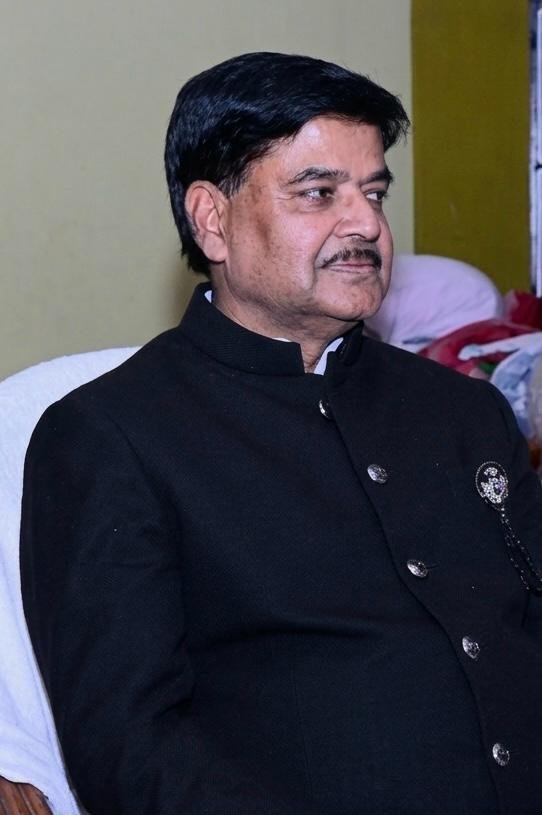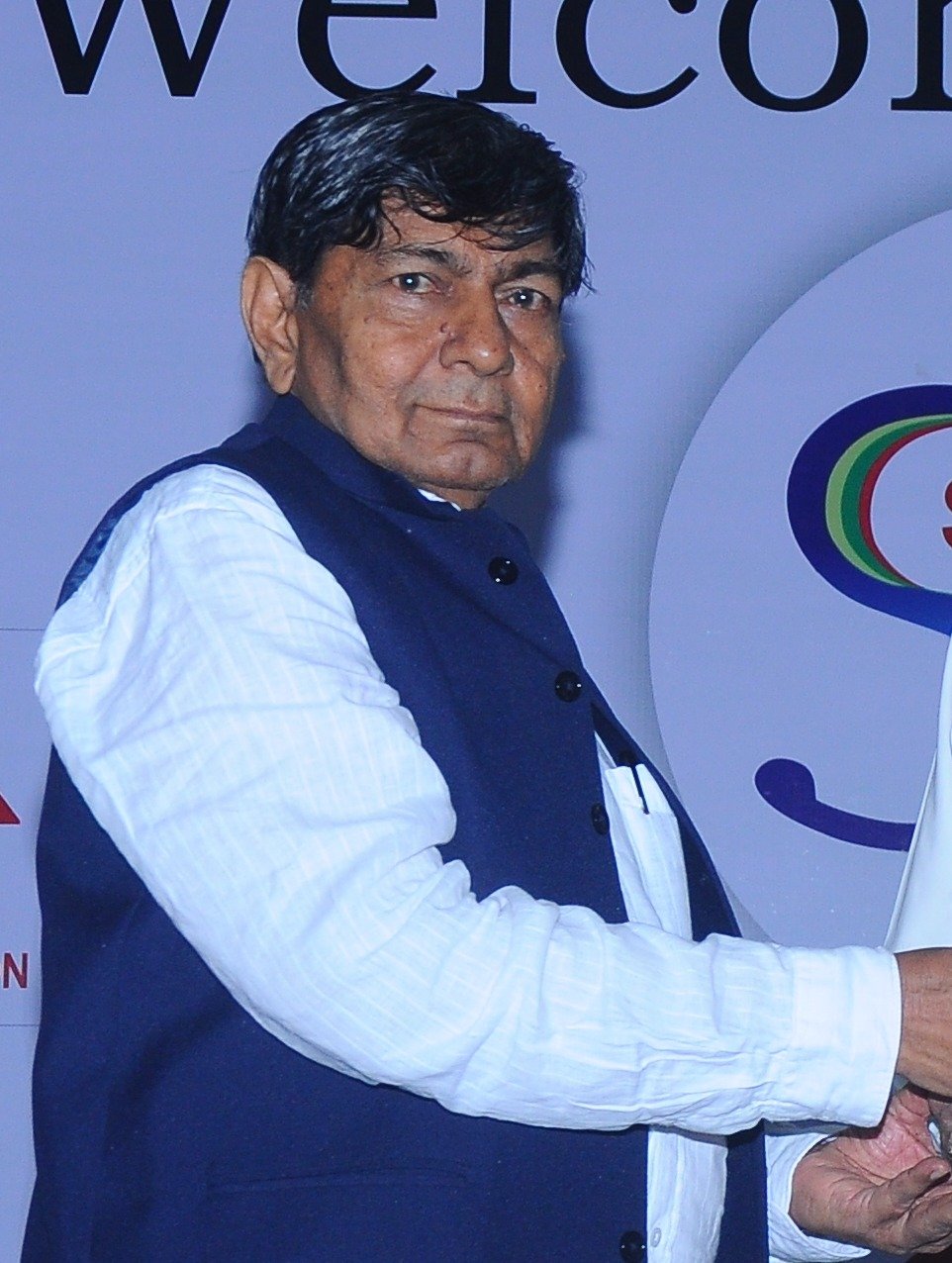




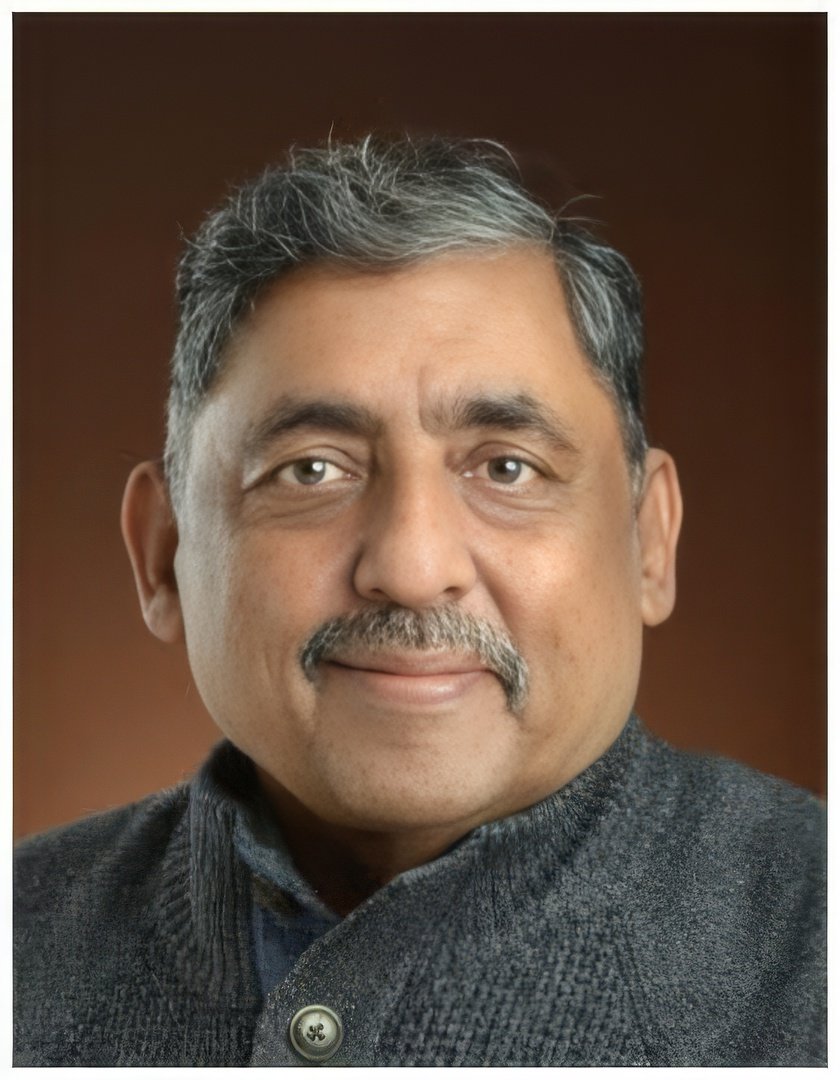
Dr. Sushamoy Chatterji has built an extraordinary career by excelling in two distinct yet deeply connected worlds—scientific research and literary exploration. After dedicating more than three decades to science as a Principal Scientist at the ICAR–National Bureau of Soil Survey and Land Use Planning (NBSS&LUP), he has emerged as a compelling author whose work delves into the timeless themes of love, memory, identity, and emotional resilience. His journey reflects how a lifetime of observation and analytical thinking can evolve into meaningful storytelling that resonates with readers across generations.
During his distinguished scientific career, Dr. Chatterji devoted himself to studying landscapes, ecosystems, and the intricate relationships that shape the natural world. His research demanded precision, patience, and an ability to identify patterns hidden beneath the surface. Yet beyond laboratories and field studies, he remained fascinated by another equally complex landscape—the human mind and heart. Years of observing people, relationships, and life’s changing circumstances inspired him to explore emotions that science alone cannot fully explain.
His enduring curiosity about human nature led him to ask profound questions. Why do certain memories remain vivid while others disappear with time? Can love survive when memory fades? Are the deepest emotions stored somewhere beyond conscious recollection? These reflections became the inspiration behind his acclaimed novel, The Man Who Loved Too Much, a moving work of fiction that combines emotional depth with psychological intrigue.
The novel follows the story of a man who regains consciousness in a hospital after a devastating accident, only to discover that he has lost all memory of his past. Haunted by recurring dreams featuring three mysterious women and fragmented images of a forgotten life, he embarks on a journey to uncover his identity. As he pieces together the scattered fragments of his memories, the narrative unfolds into a powerful exploration of love, sacrifice, grief, forgiveness, and self-discovery. Each revelation challenges his understanding of the past while leading readers through an emotionally compelling search for truth.
Rather than presenting love as a simple romantic emotion, Dr. Chatterji explores its many dimensions—its ability to heal, endure, and transcend even the loss of memory itself. The novel portrays how relationships are shaped by circumstances, tested by painful secrets, and strengthened through resilience. At its heart lies a profound message: while memories may fade with time, genuine emotions often continue to exist, quietly influencing lives in ways that cannot be erased.
What distinguishes his writing is the seamless integration of intellectual insight with emotional authenticity. His scientific background enriches his storytelling, allowing him to examine human behaviour with remarkable sensitivity and precision. Every chapter reflects careful observation, thoughtful character development, and an appreciation for the psychological complexities that define human relationships.
Today, Dr. Chatterji is admired not only as a respected scientist but also as an author whose work encourages readers to reflect on life’s most fundamental questions. His transition from scientific research to literature demonstrates that knowledge and creativity are complementary pursuits, each offering unique ways to understand the world and the human experience.
Through The Man Who Loved Too Much, he has created more than an engaging novel; he has offered readers a deeply moving reflection on memory, love, and the resilience of the human spirit. His literary journey stands as a testament to the enduring power of curiosity, compassion, and storytelling, proving that while memories may fade, the emotions that define our lives continue to leave an everlasting imprint on the heart.
************************